An iconic guitar riff. A heavy walkman to carry around so that solo is available on the go. Smells like Teen Spirit. Kurt Cobain wrote, what could be argued to be his magnum opus, about a certain generational revolution. What it meant to be a teenager in a world that was changing rapidly.
Internet. Gadgets. Mobility. Connectivity.
It was all changing. Millennials were introduced to a digital space as teens. Gradually, with limitations.
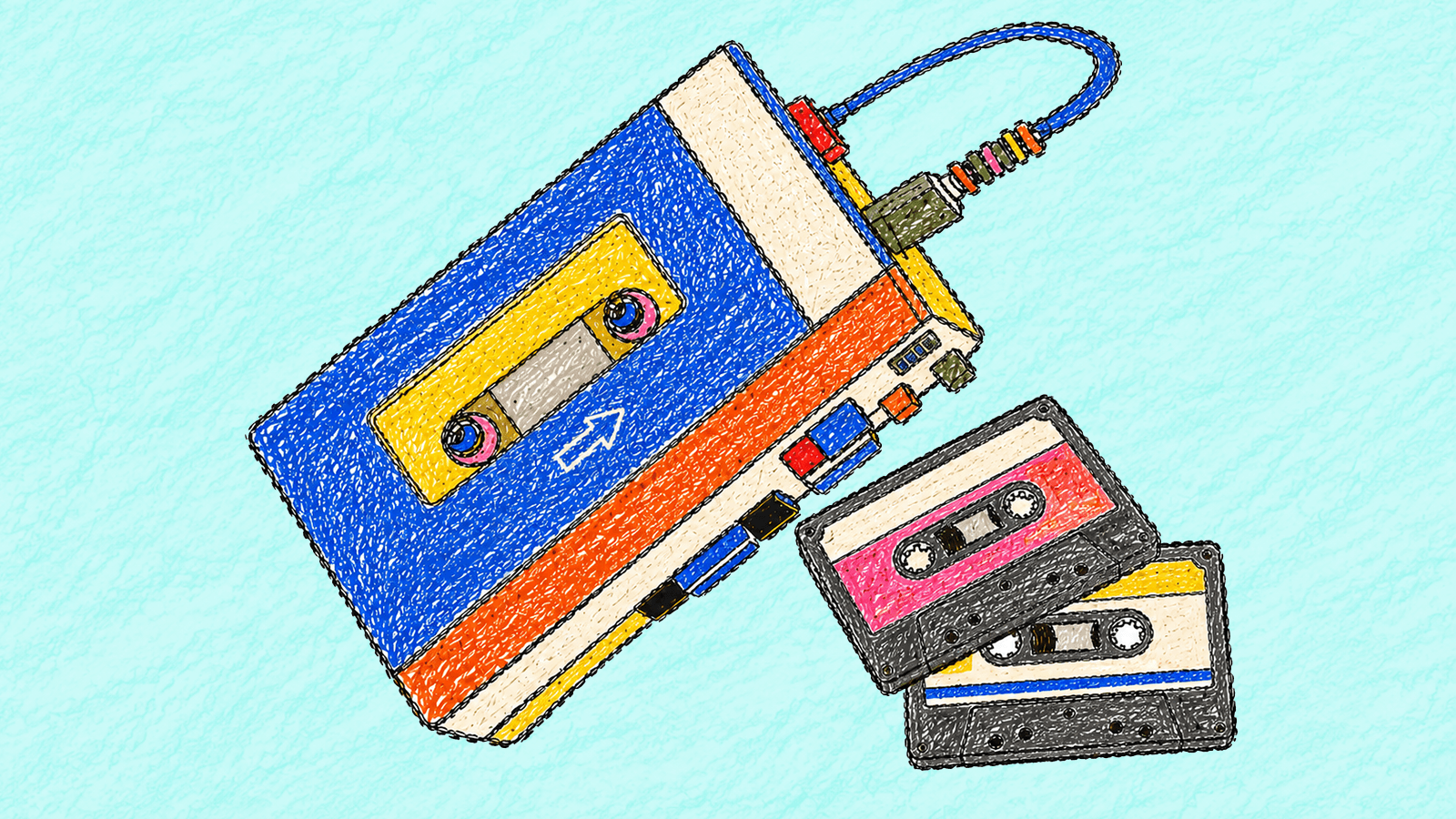
A walkman meant you walk with your music. But it needed a cassette and it was bulky. To document your moments, you had the camera. But it needed a film and it was expensive. Connecting to a beloved? Behold the telephone. But it was stationary and required coordination. You could consume media at home. But it was a television in a shared room and the options were limited. The internet had permeated everyday life. But it was a desktop that you had to go to and it was slow.
When digital presence was available with these limitations, it was easier to stay safe on the internet.
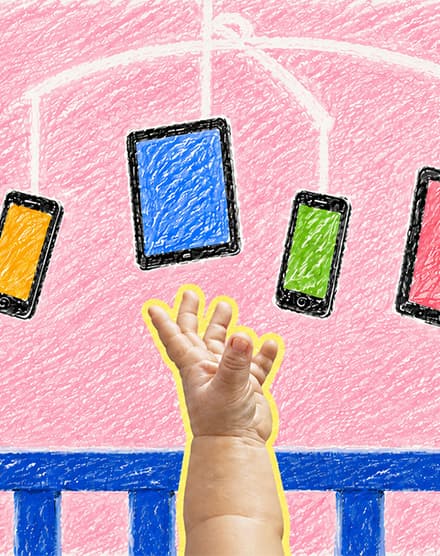
Fast-forward 3 decades. The millennials are now parents. The digital space is pervasive. It is everywhere. It is all the time. The digital space is introduced way before the teenage years and intrinsically assimilated with all aspects of life since the very onset of consciousness.
The walkman had a natural off switch. The cassette ended. The film roll ran out after 36 photos. The desktop was in the living room where parents could see the screen from the kitchen. Every piece of technology had a built-in limitation that doubled as a guardrail. Nobody intentionally had to design it that way. It just was.
None of this was chosen.
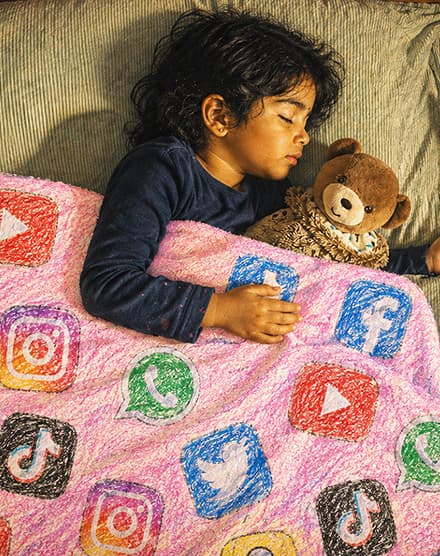
The phone was already in the house before the child could read. The tablet was handed over on a long car ride before the child figured out what the internet was. By the time a preference existed, the screen was already woven into homework, friendships, entertainment, even how you talk to your grandparents. It is not a separate world. It is just the world.
Nobody is rebelling. Nobody is sneaking. Kids are doing what kids have always done. Absorbing whatever environment they were born into.
Except this environment has no cassette that runs out. No film roll that ends at 36. No dial-up sound announcing to the house that someone is online. The phone is infinite content in a pocket. More information is available by the age of 10 than most millennials encountered all through adolescence.
And kids know this is a lot. More than adults give them credit for.
They know that certain things they see online make them feel worse, not better. They know that three hours disappeared and they cannot account for what they watched. They know the group chat gets mean sometimes and there is no way to leave without becoming the next target. They know something is off. They just do not have the language for it yet.
Taking the phone away does not help.
Taking the phone away becomes a question not of protection but of trust. When every app is restricted and every website is blocked, it feels like surveillance. And someone who feels surveilled does not open up. They find workarounds. They borrow a friend's phone. They learn to clear a browser history. Research confirms this. Restricting access to the screen at home can lead to higher rates of problematic internet use. The forbidden fruit has always tasted sweetest.
What helps is when someone sits down.
Not someone who reads every message. Someone who asks what the conversation was about. Not someone who installs every restriction. Someone who explains why a particular app might not be great right now. Not someone who tracks every minute of screen time. Someone who notices the silence after the phone has been put down.
Kids want to talk about what they saw. They just need someone who will listen without immediately taking something away.
When parents actually trust their kids and give them room, they end up knowing more about what is going on online. The screen does not change. The content does not change. What changes is the presence of a parent, next to a kid, in the room.
That is the only thing that matters here. Not whether the screen exists. It does. It will. It is not going anywhere.
Nobody needs anyone to smash the screen. The child needs someone to sit next to it. To ask what they watched. To know when to set a boundary and when to let them figure one out on their own. To be the limitation that technology no longer provides.
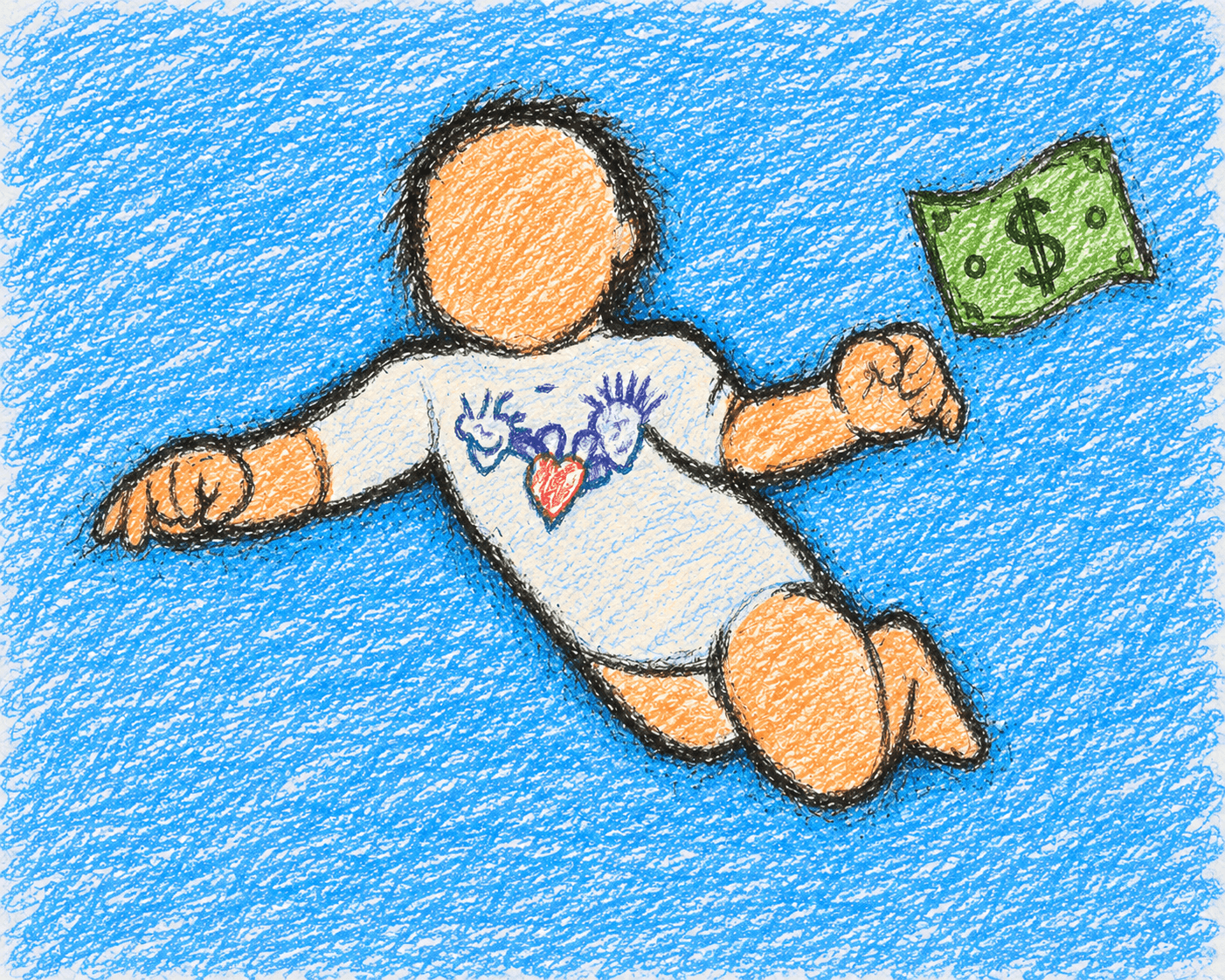
Cobain sang about a generation caught between apathy and revolution. Teenagers who felt unseen in a world moving too fast. Three decades later, the world moves faster and the teenagers are younger. But what kids need has not changed. Not less screen. More presence.
The music has not stopped. The medium changed. And the parent sitting next to the screen matters more than ever.