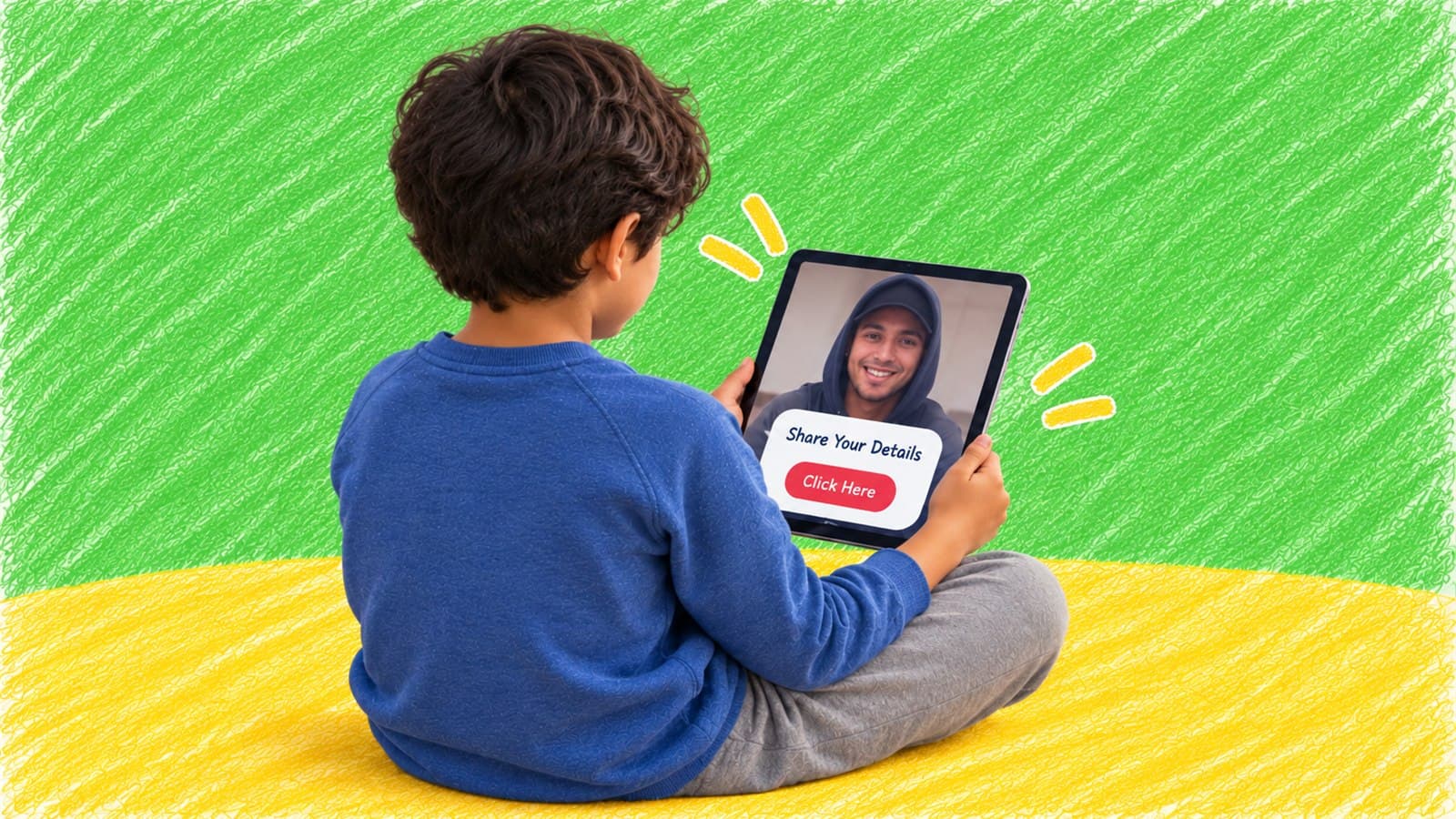
For many children today, friendships don't only form in classrooms or playgrounds. They form in group chats, gaming spaces, comment sections and shared online communities.
For children between eight and fourteen, these online connections can feel just as real and meaningful as offline ones. They laugh together, collaborate, share inside jokes and sometimes confide in one another. While this can be positive, it can also blur important boundaries, especially when children struggle to tell the difference between a peer, a stranger, and something in between.
Understanding how online friendships work is key to helping children stay safe without making them feel isolated or mistrusted.
Why Online Friendships Feel Different
Online interactions remove many of the cues children rely on offline. There's no tone of voice, body language, or shared context. A username can hide age, intent, or identity entirely.
For children, especially younger ones, familiarity can develop quickly. Playing the same game, being part if the same group, or chatting regularly can create a sense of closeness, even when they don't really know the person on the other side of the screen.
This doesn't mean children are naïve. It means they're social, curious and still learning how trust works in digital spaces.
When "Friends" Aren't Quite Friends
Not evert online connection is unsafe, but not every friendly interaction is what it seems.
Sometimes, online "friends" are simply other children they haven't met offline. Other times, they may be older teens or adults presenting themselves as peers. In some cases, conversations start innocently and slowly become uncomfortable, demanding or confusing.
Because these shifts often happen gradually, children may not recognise when a boundary has been crossed, or may feel unsure about how to respond.
Why Children Don't Always Speak Up
Many parents assume children will come forward if something feels something feels wrong. In reality, children often hesitate.
They may worry about losing access to a game or an app they enjoy. They may fear being blamed for talking to someone in the first place. Or they may simply feel embarrassed for not knowing what to do sooner.
This silence isn't secrecy - it's uncertainty. And it's why the way we talk about online friendships matter so much.
Talking About Online Friendships Without Creating Fear
Instead of focusing on "strangers", it often helps to talk about behaviour.
What feels comfortable? What feels confusing? What kinds of conversations should always stay private? Framing discussions around feelings and boundaries, rather than rules, helps children reflect without feeling interrogated.
Regular, low-pressure conversations about who they interact with online make these topics feel normal, not risky.
Helping Children Set Healthy Boundaries
Children benefit from clear, simple guidance they can remember in the moment.
Encouraging them not to share personal information. Letting them know it's okay to stop responding or leave a chat if something feels off. Reminding them they don't owe anyone continued conversation, even if they've spoken before.
These aren't restrictions - they're tools children can use independently.
Staying Involved Without Hovering
Parents don't need to read every message to stay connected.
Showing interest in the platforms children use. Ask about the games they enjoy or the people they interact with. Creating an environment where questions are welcomed, even after a mistake, builds far more safety than constantly monitoring.
When children feel supported rather than watched, they're more likely to speak up early.
Helping Children Understand Who Feels Safe Online
Online friendships are now a natural part of growing up. They can offer connections, creativity and belonging, but they also require new kinds of awareness.
At CyberTot, we believe children are safest when they understand boundaries and know they can talk openly. With steady guidance and ongoing conversations, parents can help children navigate online relationships with confidence, clarity and care.