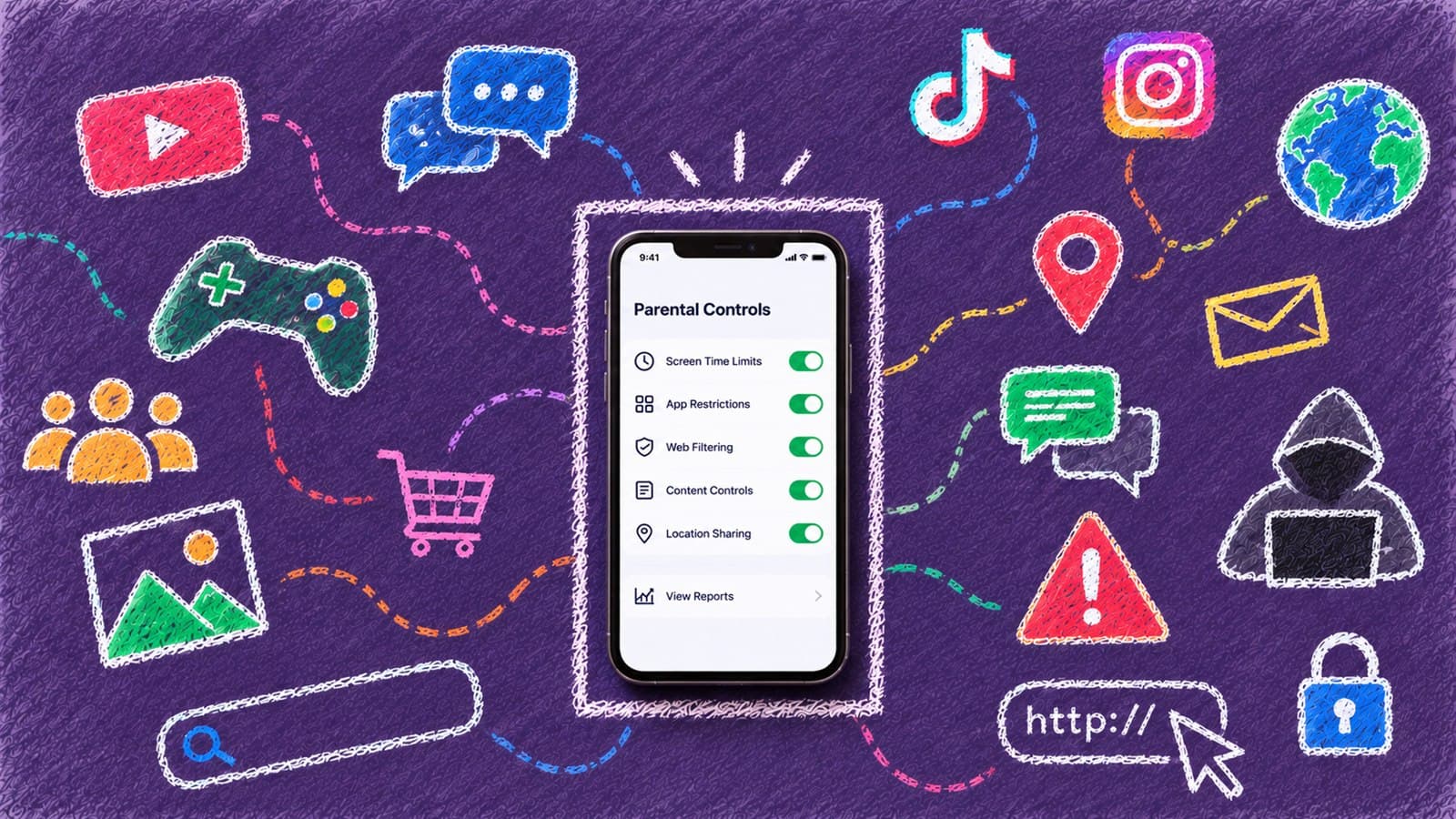
Most parents feel a sense of relief when they finally set up parental controls. The filters are active. The settings are configured. The restrictions are in place. Job done. Not quite.
When we spoke to digital wellbeing educator Gurdit Singh Chhabda, he shared a statistic that tends to make parents uncomfortable.
“Search volumes for 'how to bypass parental controls' run three to four times higher than searches from parents trying to set them up. Children are already ahead of us on this. Controls are a starting point, not a solution.”
That doesn't mean parental controls are useless. It means they're often misunderstood. Parents see them as protection. Children often see them as a challenge. And somewhere between those two perspectives sits reality.
The Myth Of Perfect Control
One of the biggest misconceptions in digital parenting is the belief that the right app can solve the problem. Install the software. Block the websites. Set the limits. Monitor the activity. And everything will be fine. The problem is that technology evolves. Children evolve with it. And often much faster than adults do.
By the time many parents understand a platform, children have already figured out how to navigate around it. Sometimes literally. Sometimes socially. Sometimes both. The goal was never perfect control. Because perfect control doesn't exist. The goal is preparation.
The Risks Parents Don't Always See
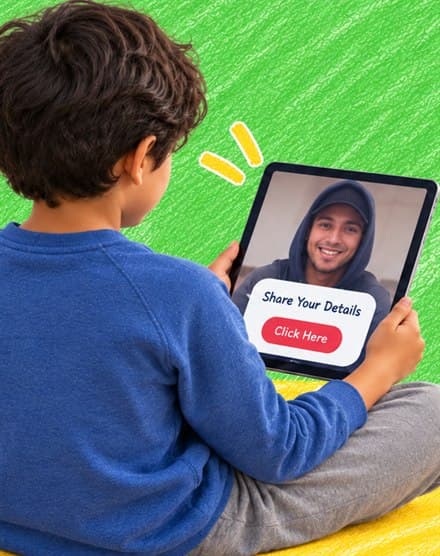
When people talk about online safety, they often imagine strangers. And that risk is real. But Gurdit sees three different layers of risk. The first is cyber safety. Scams. Blackmail. AI-generated images. Fake identities. People pretending to be someone they are not.
The second is social. And this is where many parents underestimate the difference between online and offline life.
“When you do something online, it stays forever. I had students who posted pictures, received demeaning comments, and refused to go to school because they felt everyone was looking at them.”
A cruel comment in a classroom has an audience. A cruel comment online can have permanence. That's a very different experience for a child. Especially one who is still figuring out who they are.
The Bicycle Rule
One of Gurdit's most useful frameworks has nothing to do with phones. It's about bicycles.
“Before you let a child ride a bicycle on the road, you teach them to ride. Then you teach them the traffic rules. You don't hand them a bicycle on a main road and say good luck.”
The same logic applies to technology. Many families spend weeks researching devices. Comparing parental control tools. Reading reviews.
Then hand over the phone without ever discussing what happens when:
- a stranger sends a message
- a friend shares something inappropriate
- someone asks for a photo
- a child encounters content that makes them uncomfortable
The device arrives. The training never does.
What Happens When Children Know More Than Their Parents
This is the part many adults find difficult. Children often understand the technology better. Not because they're smarter. Because they spend more time with it. The parent may know more about life. The child often knows more about the platform. That changes the role of the parent. You are no longer trying to be the technical expert. You're trying to be the trusted guide. The person a child comes to when something feels wrong. The person who helps them think critically. The person who teaches judgement. Because judgement scales. Software doesn't.
The Hardest Question In The Room
When Gurdit works with parents, he often asks a simple question. How much time are you spending on your own phone? The answers are usually revealing.
“I ask people to think of something they've always wanted to learn but never had time for. Then I ask them to check their screen time. It's usually three hours or more.”
This isn't about guilt. It's about credibility. Children pay less attention to what we say than what we repeatedly do. A parent who scrolls through dinner while talking about screen limits is teaching two different lessons. Children notice both.
What Families Can Do Right Now
Gurdit's recommendations are surprisingly practical. Create spaces where screens are used. Create spaces where they aren't. Protect some family time completely. Watch content together when possible. Talk about what you're seeing. Ask questions. Stay curious. The goal is not to build a wall between children and technology. The goal is to build enough understanding that they can navigate it safely. Because eventually they will. With or without us.
Where Cybertot Fits Into This
At Cybertot, we believe digital safety starts long before something goes wrong. Parental controls matter. Monitoring matters. Boundaries matter. But none of them replace conversations. Because the safest child online is not the one with the most restrictions. It's the one who knows what to do when the restrictions are no longer there.